
The plain answer on enzyme cleaners
Enzyme and bacteria cleaners are sold as a gentler alternative to caustic drain openers. The idea is that biological additives feed on organic buildup in the pipe over hours or days. They are made for slow, regular use, not for opening a drain that has stopped.
If water stands in the sink or tub, no liquid product is going to reach the clog quickly. A plunger, a hand auger or a plumber's cable is what moves a blockage. Enzymes are at best a maintenance habit for a drain that still flows.
Gwinnett County Water Resources does not publish a position on enzyme or chemical drain cleaners in the pages we read, so treat the label directions as your guide.
Product, tool or plumber: matching the fix to the clog
This table shows which option fits which situation. It is a guide, not a diagnosis.
| Situation | Enzyme product | Plunger or auger | Plumber |
|---|---|---|---|
| Drain flows but slowly, no standing water | May help as upkeep | Often enough | Not needed yet |
| Water stands in one sink or tub | Poor fit, cannot reach in time | First thing to try | If a tool fails |
| Several drains slow or gurgling together | Will not reach the main line | Limited reach | Right call |
| Same clog back within weeks | Does not remove the cause | Cable leaves wall buildup | Jetting or a camera look |
| Sewage in a floor drain or tub | Do not use | Do not use | Call now |
Signs a bottle is the wrong tool
These are the patterns that point past a household product.
Standing water that does not move
A blockage that holds water needs mechanical clearing. Waiting a day for a liquid to work only keeps the fixture out of use.
More than one fixture is affected
A shower that gurgles when the washer drains, or a toilet that bubbles when you run the sink, points to a shared branch or main line.
A clog returns every few weeks
Opening a channel through grease or scale does not remove the coating. The line narrows again.
Foul smell that stays after cleaning
A smell from the drain can come from a dry trap, a vent issue or a line problem a camera can show.
Water at a floor drain or cleanout
This is a backup from the lower line. Stop water use and call.
Suwanee note: grease habits and who owns the clog
The Gwinnett County Water Resources page on fats, oil and grease says that as FOG builds up in sewer pipes, wastewater has a harder time flowing through them. It tells residents to pour liquid grease into a lidded container and put it in the trash once it has cooled.
The same page warns that running hot water over greasy cookware only sends the grease into pipes where it hardens, and that pouring grease or food scraps down the drain sends FOG into the sewer even with a garbage disposal. Wiping the pan before washing does more for your drain than any product.
The county page also says most FOG-related overflows happen on residential sewer lines, and that if a clog happens on your property, it is your responsibility to take care of it. If a bottle or a plunger has not cleared a backup, the repair cost sits with the homeowner, so a plumber visit sooner is cheaper than a sewage cleanup later. If neighbors report the same backup, call the 24/7 Gwinnett Water Resources dispatch line at 678.376.7000.
Some older Suwanee areas are on septic rather than county sewer. The Gwinnett Water Resources septic page says to get a tank pumped and inspected every three to five years by a licensed septic tank contractor, and lists Environmental Health at 770.963.5132. Whether a biological additive helps or hurts a septic system is not covered on that page, so ask your septic contractor before adding any product.
What enzymes cannot do
Enzyme products work on organic material, such as food residue and grease films. They do not dissolve hair clumps well, do not cut through tree roots and do nothing to a cracked or sagging pipe. They also do not move a solid object such as a toy, a wipe or a pile of paper towels.
A product also has to sit in contact with the clog. In a drain with standing water, the liquid dilutes and the contact time is short. Following the label on dose, wait time and water temperature matters more than buying the strongest bottle.
Never mix an enzyme cleaner with a caustic or acid drain opener. Residue from one product can react with the other, and the fumes or splashback hurt eyes and skin. If you used a chemical opener first, tell the plumber, because they will be reaching into that pipe.
A sensible order to try things
Move up the list only when the step before it has failed.
Plunge the fixture
Use a cup plunger on a sink, with the overflow plugged by a wet rag. Push and pull with a firm seal for at least ten strokes.
Clean the trap and stopper
Put a bucket under the P-trap, unscrew the slip nuts and clear hair or sludge by hand. Many sink clogs sit within a few inches of the drain.
Use a hand auger
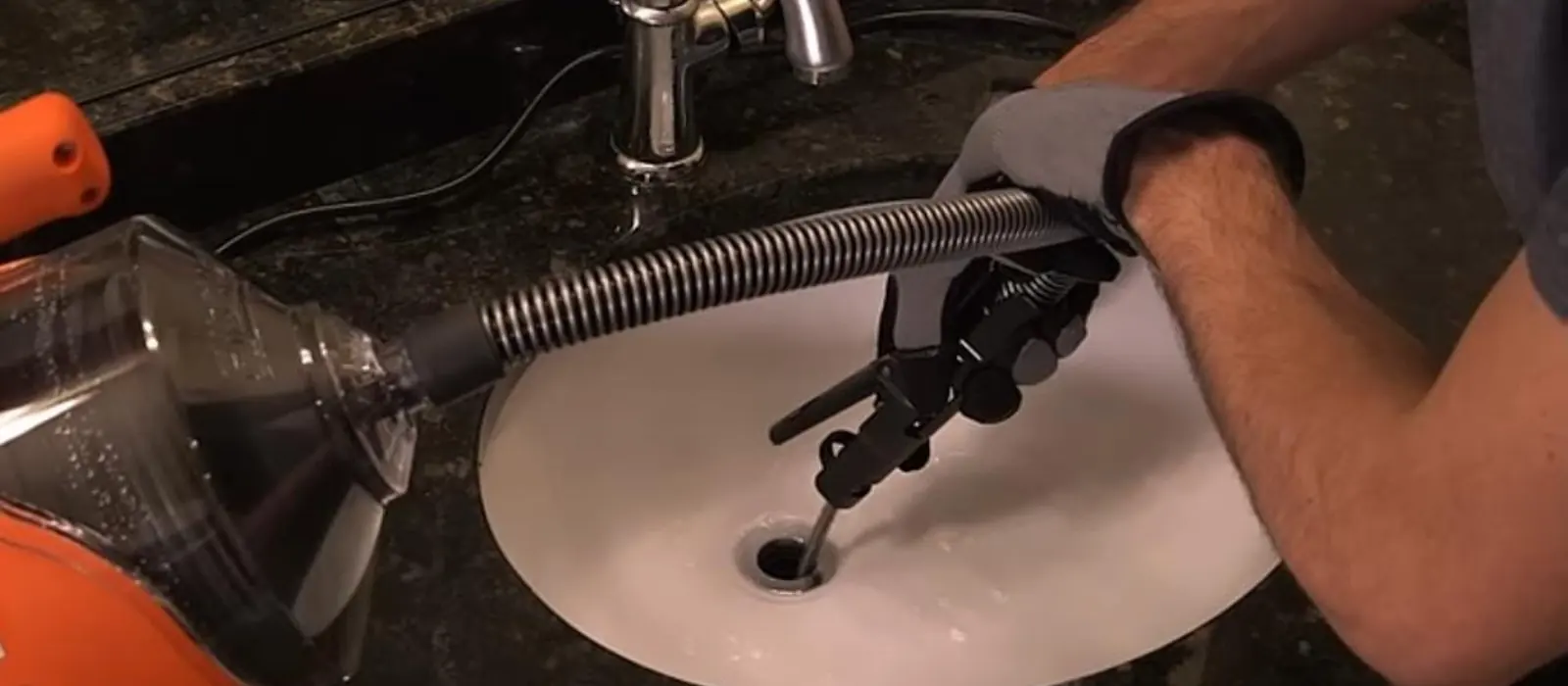
A small cable auger reaches past the trap on a branch line. Feed it slowly and turn the handle, and stop if it meets a hard stop.
Use an enzyme product for upkeep
Once the drain flows again, a label-directed dose at night can help keep light buildup from forming.
Call for a tool and a look
If the clog returns or several drains are involved, a plumber can run a longer cable, jet the line or put a camera down it.
What a plumber does that a bottle cannot
A plumber starts with questions about which drains are slow, then finds the nearest cleanout. A cable machine clears a blockage in a branch or main line. When grease or scale coats the pipe wall, hydro jetting scours the full circumference with a pressurized water jet.
If the same line clogs twice, a drain camera shows the cause, such as roots at a joint, a belly where water pools or a cracked section. That decides whether more cleaning will help or whether the pipe needs repair.
Homeowners in Suwanee call the same line as neighbors in Duluth and Lawrenceville, and same-day appointments are available when the schedule allows.
According to Gwinnett County Water Resources, if a clog happens on your property it is your responsibility to take care of it. The county's fats, oil and grease guidance is built around keeping grease out of the drain to begin with.
Weighing enzymes against a service call
Both have a place. The question is which one fits your drain today.
An enzyme product suits
- A drain that flows but slows during heavy use.
- A kitchen sink with light grease film.
- Regular upkeep after a clog has been cleared.
- Homeowners who want to avoid caustic chemicals.
A plumber suits
- A drain that is fully blocked.
- Slow drains in more than one fixture.
- A clog that returns within weeks.
- Sewage showing at a floor drain, tub or cleanout.
Enzyme drain cleaner questions
Almost never. These products are made for slow upkeep over hours or days. A drain holding standing water needs a plunger, auger or plumber's cable.
Gwinnett County Water Resources does not address additives on its septic page, so ask your septic contractor. The county does say to pump and inspect the tank every three to five years.
No. Do not mix products. If the first one did not work, stop and call, and tell the plumber what is in the pipe.
Gwinnett County Water Resources says that if a clog happens on your property, it is your responsibility. The county maintains the cleanout at the right-of-way, and the private lateral from there to the house belongs to the homeowner.
Yes. The county FOG page says hot water over greasy pans only sends grease into pipes where it hardens. Pour cooled grease into a lidded can and put it in the trash.