
What pipe lining is and why it is priced the way it is
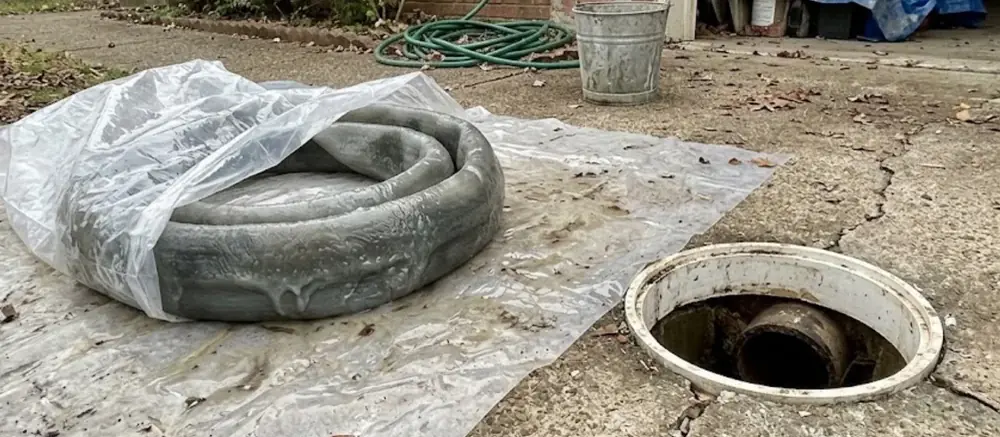
Pipe lining, also called cured-in-place pipe or CIPP, is a trenchless method that builds a new pipe inside the old one. A felt tube soaked in epoxy resin is pulled or inverted into the damaged pipe, inflated against the walls and cured with steam, hot water or UV light. When it hardens, it leaves a smooth inner pipe without a long trench across the yard.
Because the work happens inside the existing pipe, the price follows the length lined, the diameter, the number of bends and the cleaning needed before the liner goes in. A camera inspection comes first, since a quote written without one is a guess.
What goes into a lining quote
A clear quote lists these items separately, so you can see where the money goes. You hear the number before work starts.
Length and diameter
More linear feet and a larger pipe mean more resin, more liner and more time curing. A short lateral from a cleanout to the street is a smaller job than the full run from under the house.
Cleaning before the liner
Roots, scale and grease have to come out first. That usually means cable cutting or hydro jetting, and a heavily rooted line needs more of it.
Camera inspection
The plumber needs footage of the whole line to find breaks, offsets and branch connections. Ask for a copy of the video.
Access and bends
A clear cleanout at each end makes the work simpler. A line with tight bends, a lost cleanout or a tie-in under a slab adds setup and sometimes a small excavation.
Reopening branches and restoration
After curing, side connections are reopened with a cutter. Any yard digging for an access pit adds restoration to the quote.
Home policies usually treat wear and aging pipe as maintenance, not sudden damage, so lining is often paid out of pocket. Gwinnett County Water Resources suggests asking your insurer about an upper lateral rider, so read the policy before a failure happens.
Want your real number?
Describe the job on the phone and get a clear price before any work starts.
Lining, bursting or digging: how the options compare
Lining is one of three routes. This table shows where each fits, which helps you judge a quote that only offers one.
| Option | What it does | Where it fits | Limit |
|---|---|---|---|
| Pipe lining (CIPP) | Forms a new pipe inside the old one | Cracks, small leaks, root entry at joints | Cannot fix a collapsed pipe or a belly that holds water |
| Spot lining | Lines only a short damaged section | One broken joint on an otherwise sound line | Leaves the rest of the old pipe untouched |
| Pipe bursting | Pulls a new pipe through while breaking the old one | Lines too damaged to line | Needs entry and exit pits and checks for nearby utilities |
| Open trench replacement | Digs up the old pipe and installs new | Collapsed, severely offset or sagging lines | Most digging and surface restoration |
A sewer camera inspection decides which row applies. Lining only works if the existing pipe is still a continuous channel.
Suwanee note: the lateral, the cleanout and the reimbursement warning
Gwinnett County Water Resources says the property owner maintains the sewer lateral, and that the private lateral extends to the edge of the right-of-way, including the connection to the public sewer. So a lining job from your house to the street is your cost, not the county's.
The county also says its standards require a cleanout at the right-of-way, and that there should be a second one closer to the home that belongs to the homeowner. Those two cleanouts are the entry and exit points for a liner, so finding both before you call tells the plumber how the job will be set up.
The county adds a caution that homeowners should be wary when plumbers claim that work on the customer's property will be reimbursed by the County. If anyone promises that, ask to see it in writing from Gwinnett County Water Resources before you sign.
The county also suggests having your private lateral inspected by a licensed plumber, which is the same camera pass a lining quote depends on.
When lining is the wrong tool
A liner follows the shape of the pipe it goes into. If the old pipe has a belly, a low spot that holds water, the liner will hold water there too. A fully collapsed section, or a pipe that has pulled apart at a joint, has no channel for the liner to follow, and that part needs digging.
Newer homes can have different problems. The City of Suwanee's 2040 plan says about 60 percent of its housing units date from 2000 or later, so many laterals here are not old clay or cast iron. In a newer line, a camera often finds a single root intrusion or a bad joint, and a spot repair may cost less than lining the whole run.
Homes still on septic are a different case. Gwinnett Water Resources notes some older areas of the city use septic, and county lateral guidance applies to those connected to the public sewer. If you are not sure which you have, ask before anyone quotes.
Things to settle before you sign
Ask whether the work needs a permit. The City of Suwanee lists changes to plumbing systems as needing a building permit, and you can call the city inspections line at 770-945-8996 to ask whether lining at your address falls under it.
Ask about the backwater valve too. Gwinnett Water Resources says Georgia plumbing code requires a sanitary backwater valve when your lowest fixture, such as a basement toilet, sits below the next upstream manhole. Maintenance of that valve is the homeowner's job, and lining does not replace it.
Last, ask what else could clog the line. A lined pipe still collects grease and wipes, so the work pairs well with sewer line cleaning if the line has a history. Neighbors near Duluth and Lawrenceville ask the same questions.
Pipe lining cost questions
The county says the property owner is responsible for the lateral. It also cautions homeowners about plumbers who claim the County will reimburse private work. Ask for any such claim in writing from the county.
Quotes differ in length lined, prep cleaning, the camera work included and whether restoration is counted. Ask each plumber to list those items separately.
Yes in practice. A plumber needs to see the whole line to know the pipe diameter, find offsets and check that it can take a liner. Ask for the video.
It seals the joints and cracks roots use to enter, but roots can still return at the ends or at connections that were not sealed. Ask how the ends and branch openings are finished.
That depends on where your lowest fixture sits relative to the next upstream manhole, as Gwinnett Water Resources explains. Lining does not change that, so ask your plumber to check.